
What If Apple Bought Unity? A Not-So-Crazy Idea.
Could Apple buy Unity? A not-so-absurd idea, and a reflection on our freedom to create.
A little while ago, during the Epic Games trial, I was chatting with a friend, and we started throwing out some wild ideas:
“Imagine if Apple bought Unity.”
We laughed. It felt far-fetched. A bit too visionary, even for us.
Then I came across this article. An analyst seriously suggests that Apple might consider acquiring Unity, especially in light of its legal battles with Epic Games. Plus, Apple recently acquired RAC7, the studio behind Sneaky Sasquatch.
And suddenly, something clicked.
Not because I fully believe it will happen, but because I realized we’re not the only ones thinking this way. Even if it’s all based on “unfounded speculation,” it doesn’t come out of nowhere.
As the saying goes... where there’s smoke, there’s fire.
Apple won’t rely on hardware forever.
It’s been clear for a while: Apple can’t count on hardware sales to fuel growth indefinitely. They know it too. They promote their energy-efficient chips, their long-term durability, and their green commitments.
At the same time, they’re developing services: Apple TV+, Apple Arcade, Fitness+, iCloud, and more. They’re betting on content, even if some services (like Apple TV+) aren’t profitable yet, they’re widely appreciated by users.
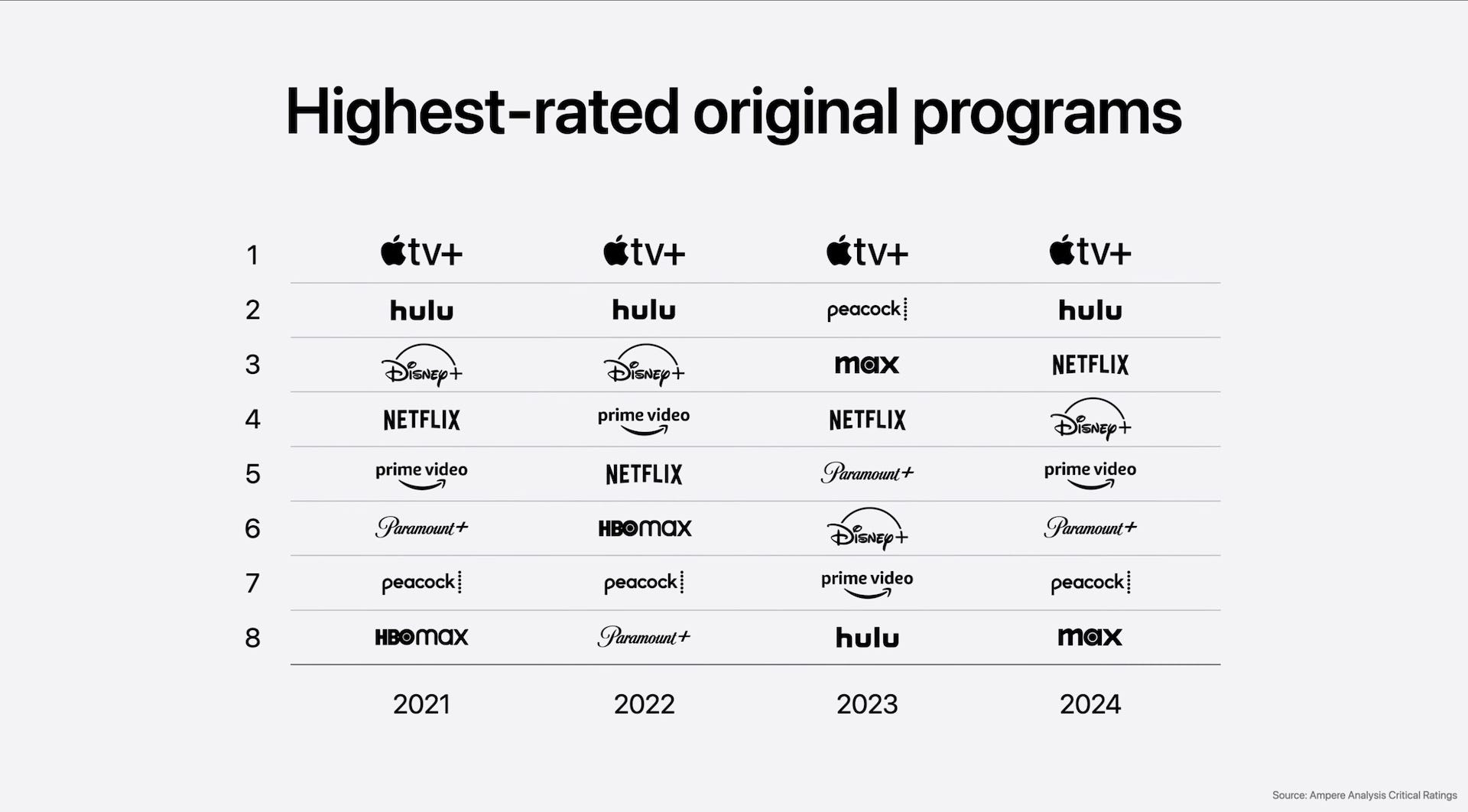
And with the launch of the Vision Pro, a shift toward XR is underway, a new frontier where experience matters as much as technology.
But in this space, something is still missing: creation tools.
Creating for Apple… with someone else’s tools?
Today, to build XR, spatial computing, or AR experiences, developers, myself included, primarily use engines like Unity or Xcode. Apple would clearly benefit from securing a platform that streamlines content creation within its ecosystem.
And that’s where the idea of acquiring Unity takes on a new dimension. It wouldn’t just be a financial move. It would be a creative anchoring strategy.
Take Meta, for instance. They launched Horizon Worlds with a full-fledged editor designed to build virtual worlds using AI-assisted generation, TypeScript scripts, interactive NPCs, 3D model imports…
The goal is clear: control both the platform and the tools.
Snap is doing the same with Lens Studio, a powerful desktop application, purpose-built for artists and developers crafting augmented reality experiences.
In this context, Apple, known for its vertical integration, could easily follow a similar path. Unity, with its massive user base, Vision Pro compatibility, and cross-platform DNA, would be a strategic fit.
What would it mean for creators?
As a freelance designer working with Unity on XR projects, this idea hits close to home.
It raises questions:
Would it make content creation smoother within Apple’s ecosystem?
Or would it tighten the grip on developers and reduce creative freedom?
Could it be the boost Unity needs to stay competitive against Unreal?
I don’t have the answers. But I do know that moves like this reshape the creative tech landscape. We’re moving from an era where tools were neutral and independent, to a time when they’re being absorbed by platforms. Where creative freedom becomes conditional, tied to the ecosystem you choose (or are forced) to use.
What surprises me most isn’t that this rumor is spreading.
It’s that we joked about it weeks ago, and now, others are starting to take it seriously.
It’s a reminder that when it comes to tech, tools, and imagination… our gut feelings aren’t always as crazy as they seem.
Maybe we’re picking up on something in the air. Maybe the futures we imagine are already quietly being written.
And you, does this kind of shift worry you or inspire you? Do you still feel free to create the way you want, or more and more tied to ecosystems you no longer control?